


Young people react to climate crisis with anxiety, hope, action
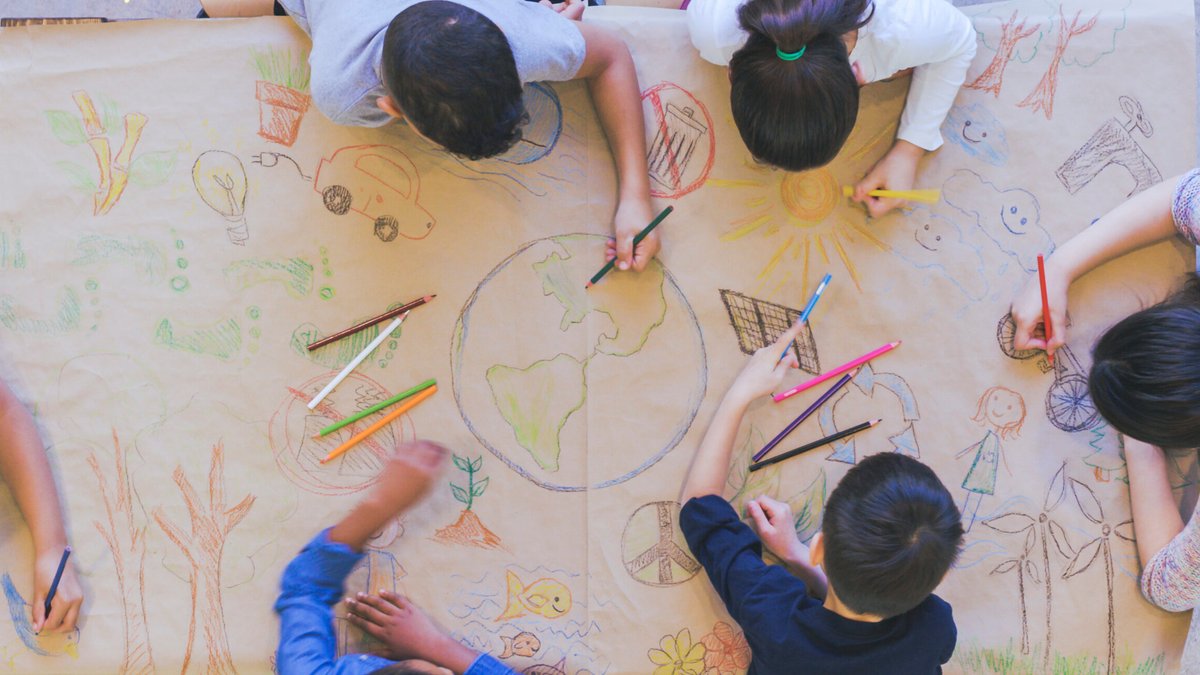
Anxiety and hope drive the way young people respond to the climate crisis, a dynamic that has become a central focus of classroom learning. These discussions often emerge as part of Cambridge Global Perspectives lessons, as one student explains: “We tend to have group conversations and the one that really stuck with me was when a friend from Nigeria talked about how droughts really affected where he was living and another friend from Miami, Florida, talked about his experience with hurricanes and how different weathers impacted his life. Everyone had their own experience when it came to climate change.”
What makes these lessons work for the students is the opportunity to talk. “When teachers connect the topic to real life situations, especially more like local issues, the discussions feel more personal and impactful,” said another student.
Amplifying Student Voices
In a major report on preparing learners, the outlet found that 57% of teachers said climate change is discussed in the classroom, while only 40% of students reported the same.
Cambridge believes amplifying student voices and developing their critical, creative and communication skills is key to finding solutions to important topics such as the climate crisis. That is why the organization is setting up The Cambridge Student Advisory Council, an inclusive community that brings together learners aged 16+ from Cambridge schools across the world.
Through the community Cambridge students will share their perspectives on topics that matter to them, via online research activities and interactive sessions, including focus groups, panels and expert Q&As. This isn’t about a small, exclusive group. The goal is to hear from many students, ensuring that a wide range of voices, experiences and viewpoints help inform thinking.
Creating a space for these conversations allows students to feel heard and connected, but it also requires an emotional openness from educators. Teachers have been telling us that they value conversations in the classroom.
Related: Easy Steps to Set Up a Reseller Hosting Account
“I believe in the power of open conversation to allow our students to understand the real environmental challenges and most importantly the role they play in protecting our planet,” says Anum Sheikh from Waad Academy, Saudi Arabia. “To me, the power of conversation is giving my students a voice and making them see that their ideas do matter.”
Vanessa, a teacher at St George’s School Columbia agrees. “For me, the power of conversation is transforming information into awareness and awareness into action. In this way what we could do is help students to have conversations about climate change and try to find solutions.”
Tools for Educators
One teacher fully engaging with the climate crisis in the classroom is Soma Mandal, global winner of this year’s Cambridge Dedicated Teacher Award. A teacher at GD Goenka Public School Model Town, India, Soma is creating a ‘Climate catalyst newsletter’, a student-centred platform to encourage critical thinking, creativity, and ownership, allowing students to see themselves as part of a larger global dialogue on sustainability. Creating such platforms helps students lead change rather than just learning about it.
“When students are given the space to express, and when their ideas are truly valued, they don’t just learn about change—they begin to lead it,” says Soma.
Developed together with the Climate Psychology Alliance and students, the guide gives teachers the practical tools to have these conversations through setting ground rules that make students feel safe to share and responding to whatever emotions may arise. But before any of this can happen, it’s vital that teachers understand their own emotional responses.
In support of this, Cambridge has developed a free discussion guide – Caring for emotions in climate change education: A guide for educators – to support teachers to have more meaningful climate change conversations with their students, whether planned or unplanned.


